

Side-by-Side Comparison Chart
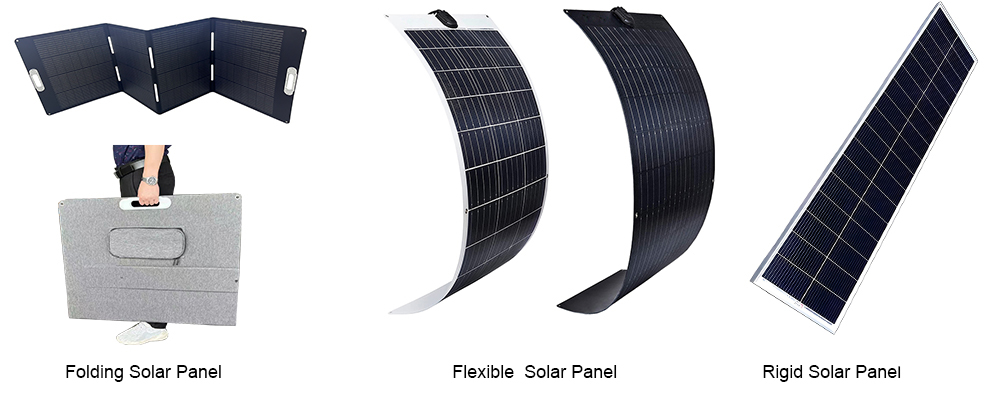
| Feature | Folding Solar Panels | Flexible Solar Panels | Rigid Solar Panels |
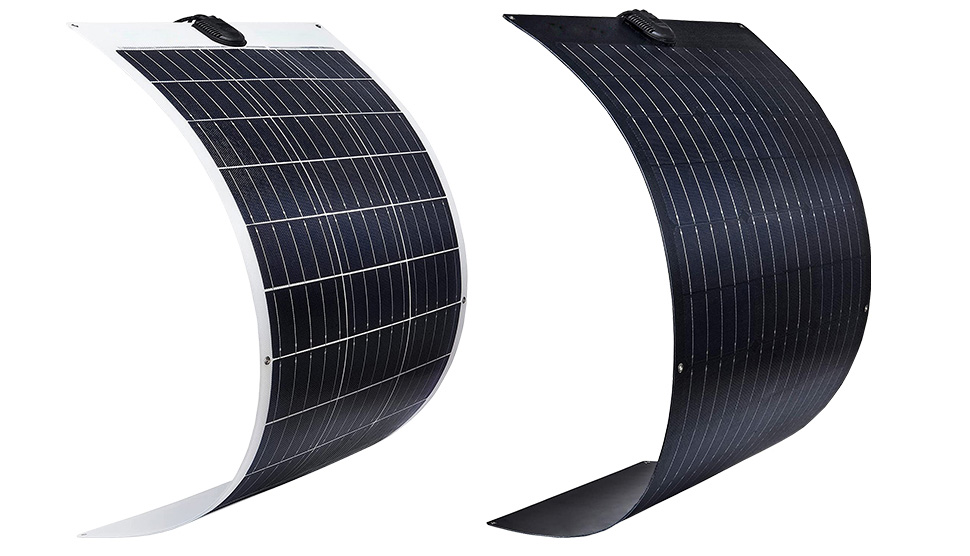
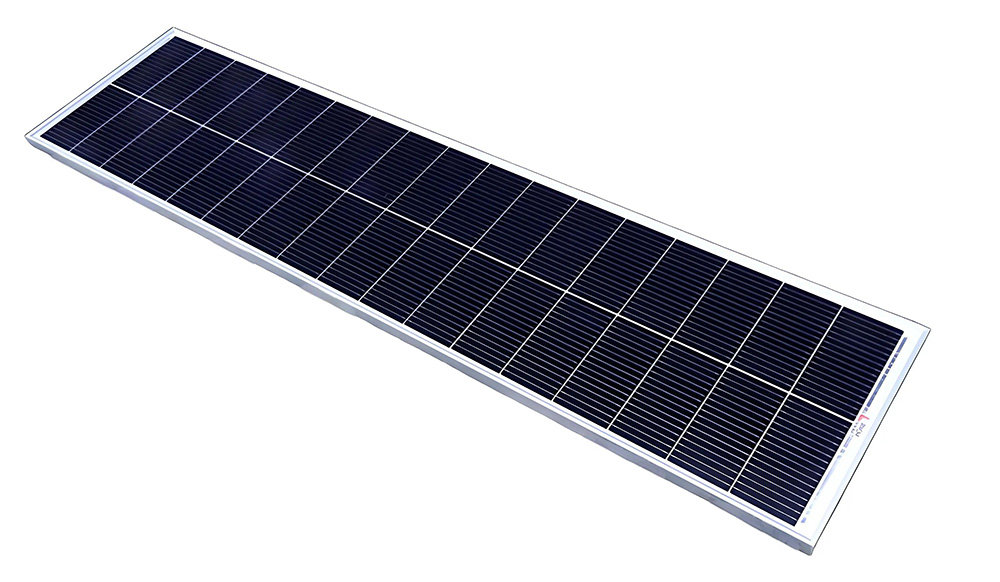
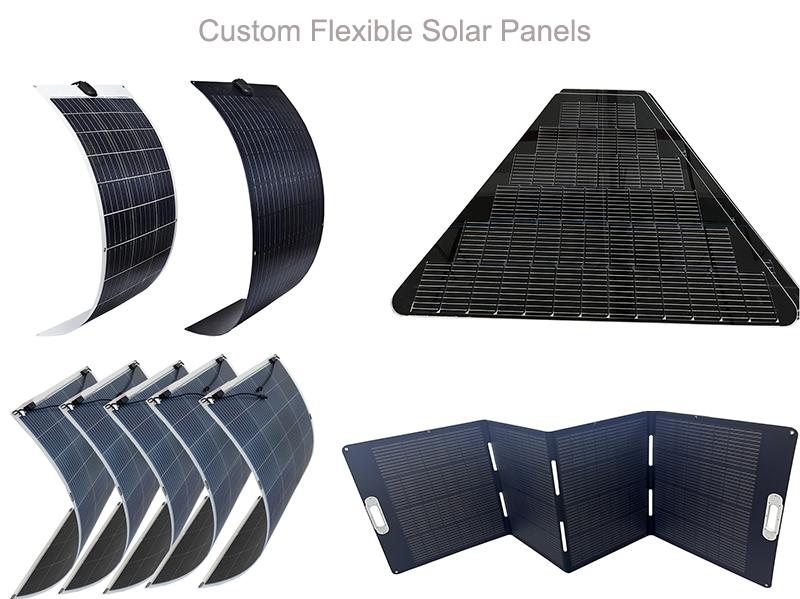
| Construction | Multiple rigid or semi-flexible panels hinged together. Often have a canvas or synthetic fabric backing. | Thin-film photovoltaic cells (e.g., amorphous silicon, CIGS or semi-flexible solar panel use PERC, PERC mono solar cell, etc.) on a flexible polymer or even some with a metal substrate. | Silicon cells (mono/polycrystalline) are laminated between tempered glass and a rigid aluminium frame. |
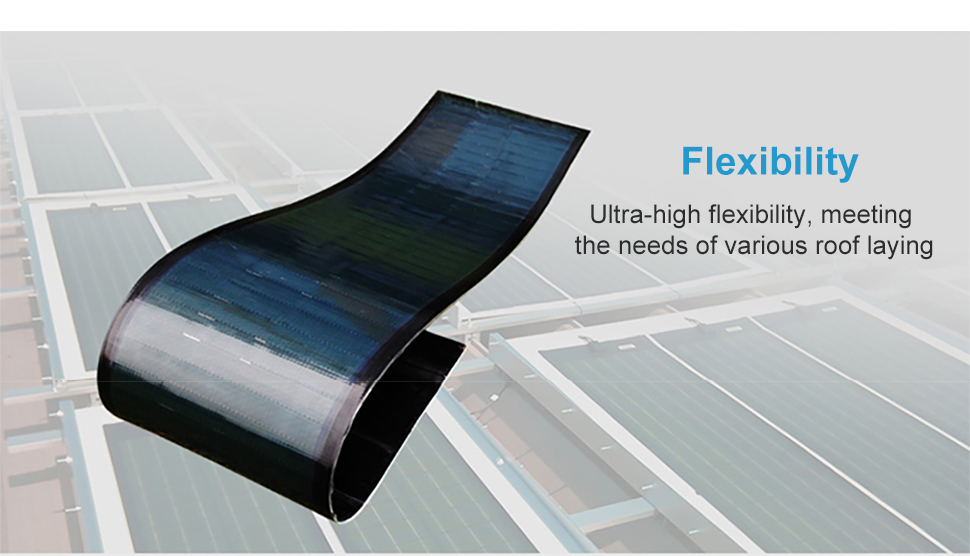
| Flexibility | Limited; can be folded and unfolded, but individual panels are rigid and cannot be bent. | High; can be bent to a relatively tight radius to fit curved surfaces. | None; completely rigid. |
| Weight | Moderate. Heavier than flexible panels but designed to be carried. | Very light. A major advantage for weight-sensitive applications. | Heavy. Requires a sturdy mounting system. |
| Efficiency | Moderate to High typically 23-25%, depending on the cells used. | PERC mono solar panel23-25%, depending on the cells used; CIGS about 18% but cloudy days generate more energy good for solar cylindrical design. | Moderate to High typically 23-25%, depending on the cells used). |
| Durability | Hinges can wear out over time. Vulnerable to impact damage when folded. | More susceptible to scratches, punctures | Designed to withstand harsh weather (hail, wind, snow) for decades. |
| Cost
(per Watt) |
Higher. Combines portability features with panel cost. | Moderate. Higher than rigid solar panel | Lowest. Traditional technology. |
| Typical Use Cases | Camping, hiking, RV trips, boating, emergency backup power. | Curved surfaces like boat decks, campervans, caravans, tents, and light weight roof buildings. | Residential/commercial rooftops, ground-mounted arrays, large-scale solar farms. |
| Power Output | Typically low to moderate (e.g., 50W to 400W per unit). | Typically low to moderate (e.g., 50W to 500W per panel). | Wide range, from small residential (250W-400W) to large commercial/utility scale (500W+). |
| Installation | No installation needed. Simply unfold and position towards the sun, often with a kickstand. | Can be glued or bolted directly onto a surface. Minimal mounting hardware required. | Requires mounting brackets and significant installation effort for permanent placement. |
| Portability | High. Designed for easy carrying, packing, and quick setup. | Moderate. Lightweight and can be rolled up, but less convenient to set up than folding panels. | None. Permanently installed. |
Folding Solar Panels & Flexible Solar Panels & rigid solar panel Pros & Cons
Folding Solar Panels
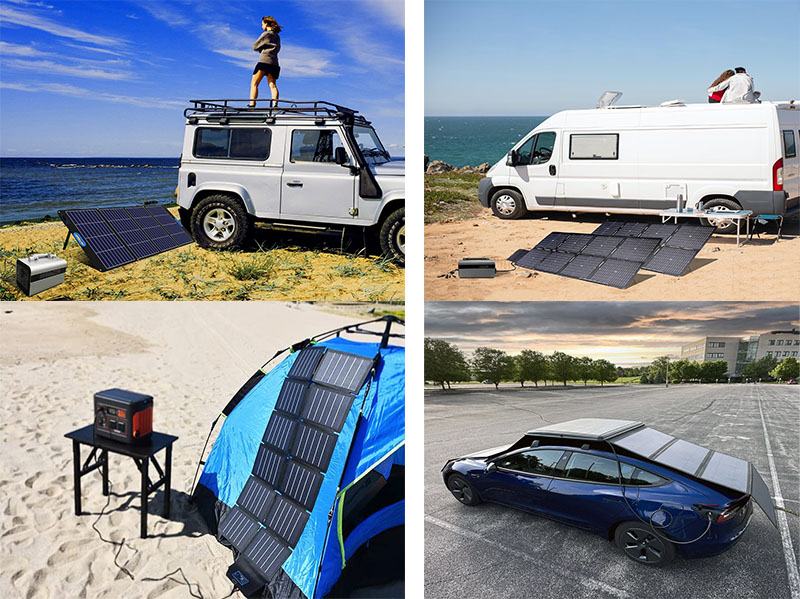
These are portable panels made from flexible solar cells, designed with hinges to fold up for storage and transport. They are ideal for camping, hiking, and emergency backup power.
Pros:
- Portability: Their key advantage. They are easy to carry, store, and set up anywhere.
- Easy Deployment: Usually comes with built-in stands, kickstands, or loops for hanging, allowing for quick setup.
- Integrated Features: Many models include a charge controller, cables, and multiple outputs (DC, USB-A, USB-C) in one package.
- Versatility: Perfect for charging batteries, laptops, phones, and small appliances while off-grid.
- Lightweight Design: Much lighter than a comparable-output rigid panel system.
Cons:
- Highest Cost per Watt: The most expensive option per watt of power generated.
- Durability Concerns: The folding hinges and joints can be points of failure over time. They are less rugged than rigid panels.
- Limited Power Output: Designed for smaller-scale applications; not suitable for powering a whole home.