


News
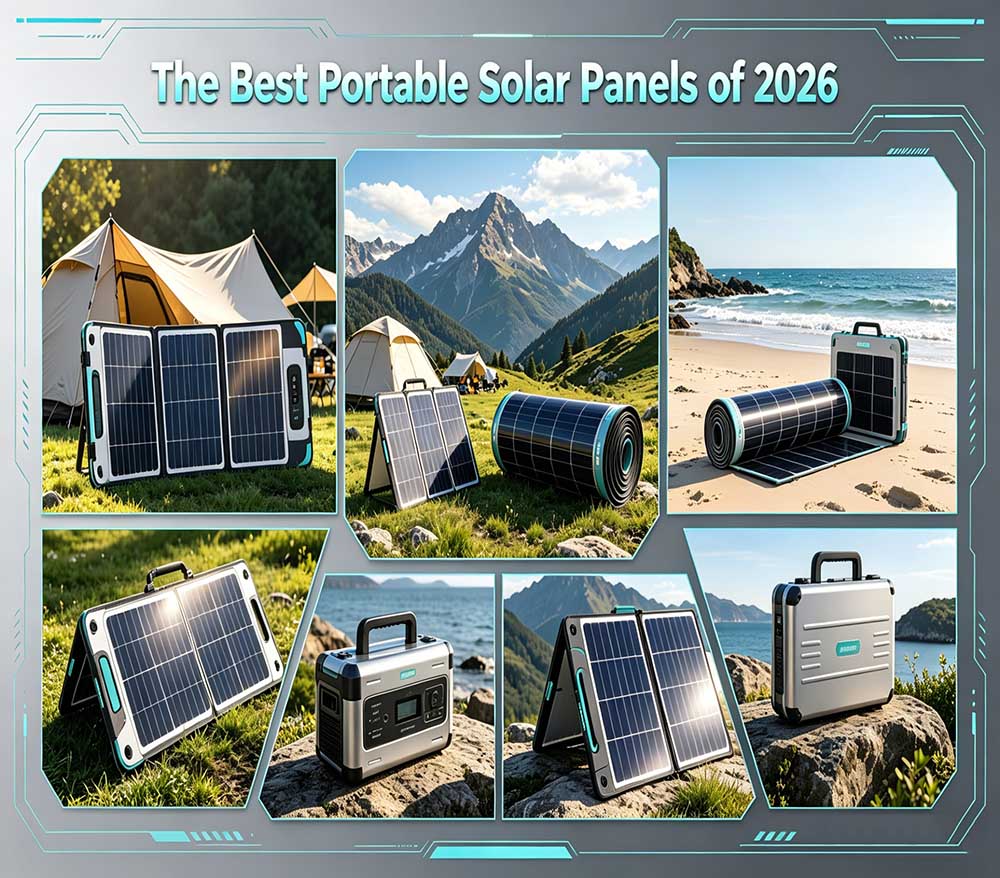
The Best Portable Solar Panels of 2026
News | Apr 24,2026
Why Portable Solar Panels Matter
Portable solar panels matter because they deliver clean, on-demand, off-grid electricity that fixed solar and gas generators can’t match—boosting energy independence, emergency resilience, sustainability, and mobility for individuals, communities, and critical operations.
Unmatched Mobility & Off-Grid Freedom
Unlike rooftop solar (permanent) or gas generators (bulky, fuel-dependent), portable panels are foldable, lightweight, and easy to carry/set up anywhere.
- Power camping, hiking, RVs, van life, boats, remote work, or field research—no grid, no fuel stops needed.
- Adjust angle/position to chase sunlight for maximum output (fixed panels can’t do this).
- Pair with portable power stations to store energy for night/cloudy days.
Critical Emergency & Disaster Resilience
Power outages (storms, wildfires, grid failures) are rising—portable solar is a silent, zero-fume backup that keeps life-saving systems running:
- Charge phones, radios, medical devices (CPAP, oxygen), refrigerators, lights, and communication gear.
- No need to store flammable gas; safe indoors/outdoors, no carbon monoxide risk.
- Used by first responders, NGOs, and relief teams in remote/disaster zones for temporary clinics, water pumps, and comms.Zero-Emission, Sustainable Alternative to Fossil Fuels
They eliminate the environmental and health costs of gas generators:
- Produce no CO₂, noise, fumes, or pollution—cuts carbon footprint and protects air quality.
- Use infinite, free sunlight; no fuel costs, no supply chain reliance on oil/gas.
- Ideal for parks, campsites, and eco-sensitive areas where generators are banned.
Cost Savings & Low Maintenance
- No recurring fuel costs; free energy from the sun reduces reliance on grid electricity or generator fuel.
- Minimal upkeep: occasional cleaning, no moving parts, long lifespan (20+ years).
- Affordable entry point vs. permanent rooftop solar—great for renters, travelers, or temporary setups.
Versatility for Everyday & Professional Use
Beyond recreation/emergencies:
- Home backup: supplement grid power, charge EVs, run small appliances during peak rates.
- Remote work/field jobs: power laptops, cameras, drones, tools in construction, farming, or research.
- Off-grid communities: bring basic electricity to areas with no grid access.
Democratizing Renewable Energy
Portable solar makes clean power accessible to everyone—renters, travelers, small households, and those who can’t install fixed solar. It’s a key step toward decentralized, resilient energy systems that reduce reliance on centralized grids and fossil fuels.
Types of Portable Solar Panels
Rigid Portable Solar Panels
Made of rigid aluminum frames and tempered glass, same core material as traditional rooftop solar panels but sized for easy transport.
- Features: Hard, sturdy, scratch & weather resistant, high durability
- Pros: High efficiency, long service life (25+ years), stable output, good for long-term outdoor use
- Cons: Heavy, bulky, not foldable, poor portability for hiking
- Best for: RVs, campsites, fixed outdoor stations, long-distance travel, base camp power supply
Flexible Solar Panels
Thin, bendable panels with lightweight polymer backsheets, no glass layer.
- Features: Bendable, ultra-thin, lightweight, can fit curved surfaces
- Pros: Easy to roll/fold, ultra-portable, space-saving, mount on boats, car roofs, tents
- Cons: Lower efficiency than rigid panels, easier to scratch, less wind/impact resistance
- Best for: Van life, yachts, backpacking, curved installation, light outdoor activities
- Best for: Camping, hiking, emergency power, portable power station charging, outdoor photography
Solar Panel Briefcase (Suitcase Style)
Hard-shell foldable design with two or three rigid panels hinged together.
- Features: Hard protective shell, integrated handle, compact closed size
- Pros: Tough protection, easy to carry like a suitcase, higher power than folding blankets
- Cons: Heavier than soft blankets, less flexible
- Best for: Family camping, outdoor construction, field work, emergency backup power
Mini Pocket Solar Panels
Ultra-small, low-wattage lightweight panels.
- Features: Small size, low power (5W–20W), USB direct output
- Pros: Ultra-light, pocketable, cheap
- Cons: Low charging speed, only for small devices
- Best for: Charging phones, power banks, Bluetooth speakers, flashlights during short hikes
Foldable / Folding Solar Blankets
The most mainstream consumer portable solar, designed with multi-panel folding design and canvas storage bags.
- Features: Split multi-piece panel, fold like a blanket, built-in kickstands, waterproof surface
- Pros: Balanced portability and power output, easy to carry, fast setup, adjustable angle
Foldable/Folding Solar Blankets or say solar panels is the most people to choose because nowadays high efficiency, generate big power, Newlight Energy adopted good technology to protect solar cell well, but price is cheaper than CIGS rolling solar panels.

Key Factors to Consider Before Buying
Solar Cell Type & Efficiency
- Monocrystalline: Highest efficiency, better in low light, compact size — top pick for portable use.
- Polycrystalline: Lower efficiency, cheaper, bulkier — less recommended now.
- Thin-film / flexible: Bendable but low output, only for light charging.Higher efficiency = faster charging, fewer panels needed.
Wattage & Power Output
- Low (5–30W): Phones, power banks, small electronics.
- Mid (40–100W): Camping, portable power stations, lights.
- High (100W+): RVs, home backup, outdoor appliances. Match wattage to your power station or devices for stable charging.
Portability & Weight
Check weight, folded size, handles, and carry bags. Backpacking needs ultra-light models; car camping can use heavier high-power panels.
Compatibility & Ports
- MC4 connectors, DC ports, USB-A/USB-C.
- Ensure voltage matches your portable power station, battery, or devices. Poor compatibility leads to slow charging or no connection.
Durability & Weather Resistance
Look for:
- Waterproof rating (IPX4–IP67)
- Dustproof, scratch-resistant coating
- Reinforced stitching (foldable models)
- UV-resistant materialsCritical for outdoor, rainy, or harsh environments.
Durability & Lifespan
Quality panels have 20–25 year lifespan with low power degradation. Avoid cheap no-brand panels with fast performance drop.
Extra Design Details
- Adjustable kickstands for better sun angle
- Overcharge, short-circuit, overheating protection
- Anti-slip and wear-resistant surface

Use Cases: Choosing the Right Panel
Simple, structured, essay-friendly content — match your activity to panel type, wattage, and key features.
Camping & Outdoor Recreation
Needs: Easy setup, lightweight, charge power stations, lights, phones, coolers
Best choice: Foldable solar blankets (80W–100W)
- Balanced portability and power
- Adjustable kickstands for sun angle
- Water-resistant for sudden weather changes
- Avoid: Heavy rigid suitcase panels; too bulky for casual campsites
Backpacking & Hiking
Needs: Ultra-light, compact, easy to carry in a backpackBest choice: Ultra-light foldable or small flexible panels (20W–60W)
- Thin, foldable, low weight
- Direct USB ports for phones, watches, power banks
- Avoid: High-wattage rigid models; add unnecessary weight
Van Life, RVs & Boats
Needs: Continuous off-grid power, durable, space-saving, curved mounting
Best choice: Semi-flexible / fully flexible panels + rigid solar suitcases (100W–400W)
- Flexible panels attach to curved roofs, boat hulls
- Rigid suitcases offer high output for fridges, fans, and large batteries
- Weatherproof and long-lasting for long-term outdoor use
Emergency & Home Backup
Needs: Reliable power during blackouts, safe indoor/outdoor use, silent operation
Best choice: High-wattage foldable panels or hard-case suitcases (100W–400W)
- Charge large portable power stations
- Run medical devices, refrigeration, communication tools
- No fuel, no fumes, safe for indoor emergency use
Remote Work & Field Jobs
(Construction, agriculture, field research, photography)
Needs: Stable power for laptops, drones, tools, cameras
Best choice: Mid–high wattage foldable or rigid panels (100W–150W)
- Steady power output all day
- Durable build for rough outdoor conditions
- Multi-port design for multiple devices at once
Daily Casual Use & Travel
Needs: Simple charging for small electronics
Best choice: Mini pocket solar panels (5W–30W)
- Compact, low cost, easy storage
- Ideal for daily travel, short trips, and emergency phone charging
Quick Selection Guide
- Light travel / hiking → small ultra-light foldable
- Camping / outdoor trips → standard foldable blanket
- RV, van, marine → flexible + rigid suitcase panels
- Power outage backup → high-wattage hard foldable
- Small electronics only → mini pocket solar
Conclusion
Conclusion: Choosing the Right Portable Solar Panel
Portable solar panels have evolved from niche outdoor gear to essential tools for energy independence, emergency resilience, and sustainable living—bridging the gap between off-grid convenience and clean energy access. Their value lies not just in providing on-demand power anywhere, but in their versatility: they adapt to diverse needs, from casual hiking and family camping to RV living, emergency backup, and remote work.
To choose the right portable solar panel, the key is to align its core features with your specific use case. Solar cell type and efficiency set the foundation—monocrystalline panels remain the top choice for most users, offering superior performance in low light and compact design, while polycrystalline and thin-film options serve budget or ultra-flexible needs. Wattage must match your devices: low-wattage (5–30W) models suit small electronics, mid-wattage (40–100W) works for camping and portable power stations, and high-wattage (100W+) panels are ideal for RVs, home backup, and large power needs.
Build type further refines the selection: foldable solar blankets strike the best balance of portability and power for everyday outdoor use; rigid solar suitcases deliver durability and high output for long-term off-grid stays; flexible panels fit curved surfaces like van or boat roofs; ultra-light models cater to backpackers; and mini pocket panels are perfect for quick, on-the-go charging. Additional factors—compatibility with your power station, weather resistance, durability, and extra design features—ensure the panel is reliable and user-friendly in real-world conditions.

Ultimately, the “best” portable solar panel is not a one-size-fits-all solution, but one that meets your unique needs for portability, power, and durability. Whether you’re a frequent camper, a van lifer, someone preparing for power outages, or simply seeking a sustainable way to charge small devices, portable solar panels offer a cost-effective, eco-friendly alternative to fossil fuel generators and grid reliance. By prioritizing your use case and key features, you can select a panel that enhances your off-grid experience, reduces your carbon footprint, and keeps you connected—anytime, anywhere.
--- END ---
Prev: Why 200W Solar Panels Are So Popular
Next: Why Your Solar Light Poles Keep Dying (And How to Prevent It)


