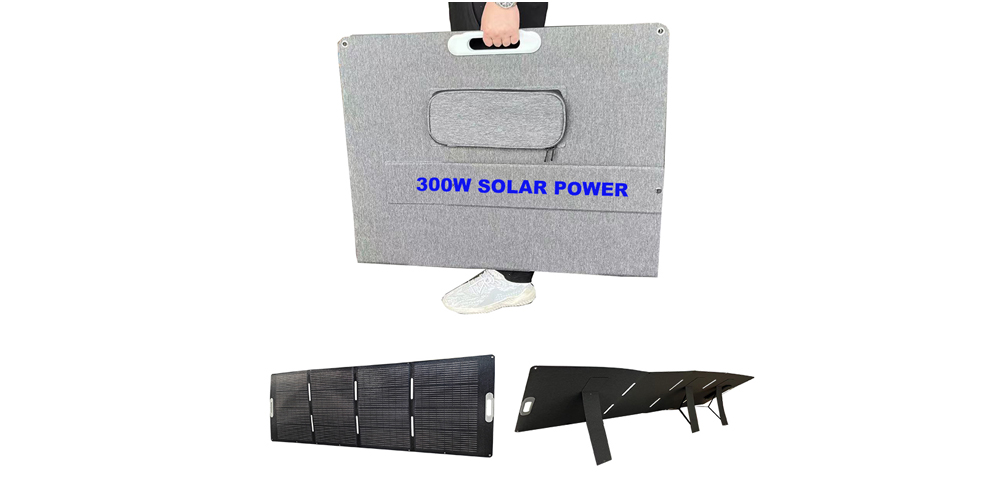


Solar Suitcase with handle (only 4 panels to fold, 300W example)
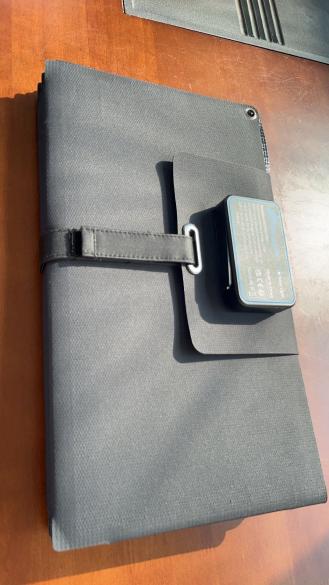
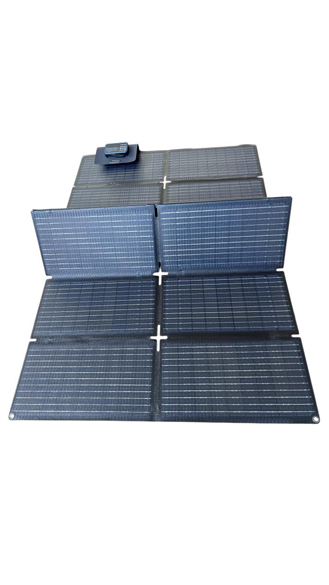
Solar Blanket (more panels to be folded, 200W example)
Portable solar power has become a go-to solution for camping, overlanding, and off-grid travel. Whether you’re running a fridge in the bush, charging batteries in a caravan, or just keeping your devices topped up, two popular options often come up: fold-out solar panels (solar suitcases) and solar blankets.
Both promise freedom from mains power, but they behave quite differently in real-world conditions. Understanding those differences makes it much easier to choose the right setup for your trips.
Core Takeaways
- Solar Suitcases are generally more efficient and stable in output, especially in strong sunlight.
- Solar Blankets are lighter, more compact, and easier to store in tight spaces.
- Suitcases handle heat and long-term use better, while blankets win in portability.
- Performance depends heavily on setup angle, shading, and movement during travel.
- The best choice depends on whether you prioritize long-term reliability or flexible packing space.
Understanding the Two Portable Solar Options
Fold-out solar panels (often called Solar Suitcases) are rigid or semi-rigid panels connected in a folding frame. They usually unfold like a briefcase or multi-panel mat and are placed on the ground or mounted near a campsite or vehicle. Their structure allows better airflow and more consistent sun exposure.
Solar blankets, on the other hand, are flexible photovoltaic mats. They are designed to be ultra-lightweight and highly portable, often rolled or folded into a compact size. Many campers like them because they can be thrown on a car bonnet, hung, or laid on uneven surfaces without needing a fixed frame.
At a glance, they may look similar in purpose, but their underlying design leads to noticeable differences in output and usability.
Power Output and Efficiency
Solar Suitcases typically deliver more consistent energy output. Their rigid structure helps maintain optimal cell spacing and reduces micro-losses caused by bending or uneven surfaces. They also tend to use higher-quality photovoltaic cells, which improves overall conversion efficiency.
In real-world camping conditions, this consistency matters. When the sun shifts or clouds pass, fold-out panels tend to recover output faster and maintain steadier charging for batteries and portable power stations.
Solar blankets can still generate solid power, but their flexibility comes with trade-offs. When laid on uneven ground or slightly folded around objects, parts of the surface may not receive optimal sunlight. Even small shading or creasing can reduce performance more noticeably compared to rigid panels. For users running sensitive loads like fridges or medical devices, this difference can become quite important over longer trips.
Portability and Storage
This is where solar blankets stand out clearly.
They are extremely lightweight and can be rolled or folded into compact shapes that fit easily into backpacks, drawers, or vehicle storage compartments. For overlanders with limited space or motorbike campers, this is a major advantage.
Fold-out panels, while still portable compared to fixed rooftop systems, take up more space and are usually heavier. Their rigid sections require more careful packing and handling, especially if they include glass or semi-rigid frames. If storage space is limited or the campsite is moved frequently, solar blankets are much more convenient to manage.
Setup Flexibility in Real Conditions
Camping environments are rarely perfect. Uneven ground, shifting shade, wind, and vehicle positioning all affect how solar gear performs.
Solar blankets adapt well to irregular surfaces. You can drape them over a car bonnet, hang them on a tent, or lay them across rocks and sand. This flexibility makes them useful in fast-changing setups or when stopping briefly during travel.
Solar Suitcases require a bit more planning. They perform best when carefully angled toward the sun and placed in a stable position. Once set up correctly, they tend to stay consistent, but repositioning them throughout the day requires slightly more effort. In longer stays where you can set everything up properly, suitcases often outperform blankets.
Durability and Heat Management
Heat is one of the hidden factors in solar performance. Panels exposed to high temperatures can lose efficiency. Solar Suitcases usually manage heat better due to their rigid structure and the airflow allowed beneath them.
Solar blankets tend to sit closer to surfaces, especially when draped over a vehicle or the ground. This can trap heat, which slightly reduces efficiency over time. Flexible materials may also wear faster if frequently bent, rolled, or exposed to rough handling.
That said, modern solar blankets are much more durable than earlier generations, and many are designed for rugged outdoor abuse. Still, they generally don’t match the long-term resilience of rigid fold-out systems.
Real-World Use Cases
Different camping styles often lead to different preferences.
| User Group | Preference & Reason |
|---|---|
| Overlanders & Long-term Campers | Prefer Solar Suitcases for a stable power supply to run fridges, lighting systems, and battery charging with minimal adjustment after setup. |
| Motorhome & Caravan Users | Prefer fold-out panels or fixed solar systems because they prioritize reliability and higher power output over ultra-portability. |
| Minimalist Campers & Weekend Travelers | Prefer Solar Blankets due to portability, light weight, and ease of movement between campsites. |
| Emergency / Backup Users | Often use solar blankets as compact backup charging solutions or emergency power sources. |
Many experienced users actually carry both: a rigid suitcase for the base camp and a blanket for quick top-ups during travel.
Cost and Value Consideration
Price varies widely depending on wattage and build quality, but fold-out panels often provide better long-term value due to higher efficiency and durability.
Solar blankets may look attractive due to convenience and lower upfront weight, but their performance can be less predictable in challenging environments. If the goal is maximum energy production per dollar over years of use, Solar Suitcases often come out ahead. If the priority is flexibility and minimal packing space, solar blankets are hard to beat.
Which One Performs Better Overall?
There is no single winner across all scenarios.
| Solar Solution | Best Use Conditions |
|---|---|
| Solar Suitcase | Perform better when staying in one place for longer periods, needing stable and consistent power output, running higher-demand appliances such as fridges, and prioritizing long-term reliability. |
| Solar Blanket | Perform better when moving camp frequently, dealing with limited space and weight, needing quick deployment, and requiring a flexible backup power option. |
Conclusion
Solar Suitcases and Solar Blankets are both highly useful portable solar solutions, but they suit entirely different travel styles.
Solar Suitcases tend to deliver more consistent and efficient power, making them a good choice for longer stays and running higher-demand devices. Solar blankets are lighter and easier to carry, making them more practical for frequent movement and limited storage space.
At Xmnewlight, we focus on providing premium portable solar solutions designed for rigorous outdoor and camping use. Whether it’s a robust Solar Suitcase or an ultra-portable solar blanket, we help you access reliable power easily, making every trip freer and more worry-free.
FAQ
Q1 Are solar blankets less efficient than Solar Suitcases?
In most real-world conditions, yes. Solar Suitcases generally maintain more stable alignment and cooling, which improves efficiency. However, in perfect sunlight with ideal placement, the difference can be smaller.
Q2 Can solar blankets charge a caravan battery?
Yes, they can charge 12V battery systems, including those used in caravans. Charging speed depends on wattage, sunlight conditions, and how well the blanket is positioned.
Q3 Do Solar Suitcases work in partial shade?
They perform better than blankets in inconsistent light, but like all solar systems, performance still drops significantly in shade.
Q4 Which option is better for overlanding?
For longer overlanding trips with a base camp setup, fold-out panels (suitcases) are often preferred. For frequent movement and lightweight travel, solar blankets are more convenient.
Q5 Can I use both together?
Yes, many users combine both systems. Panels provide steady base charging, while blankets act as a portable boost when needed.