


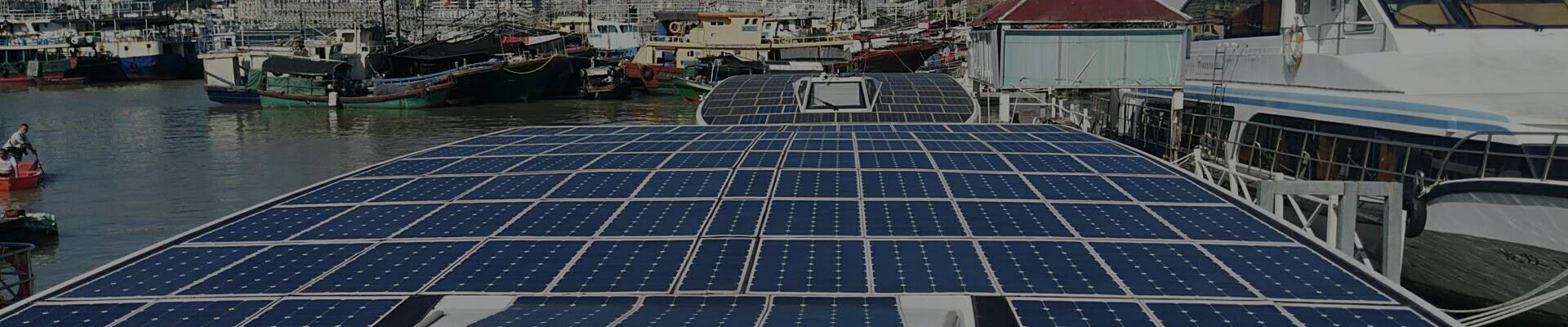
What is a Solar Wrap-Pole Light?
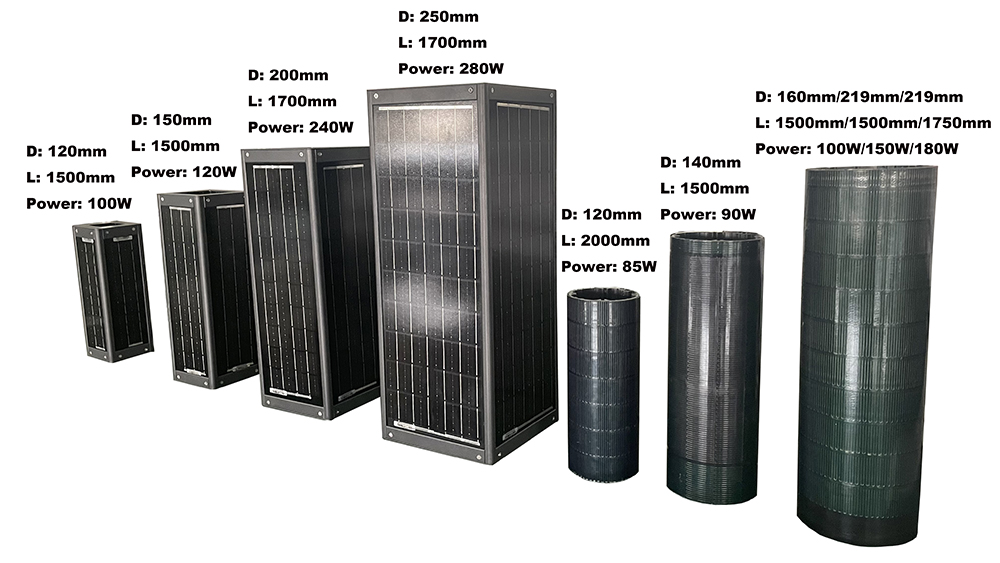
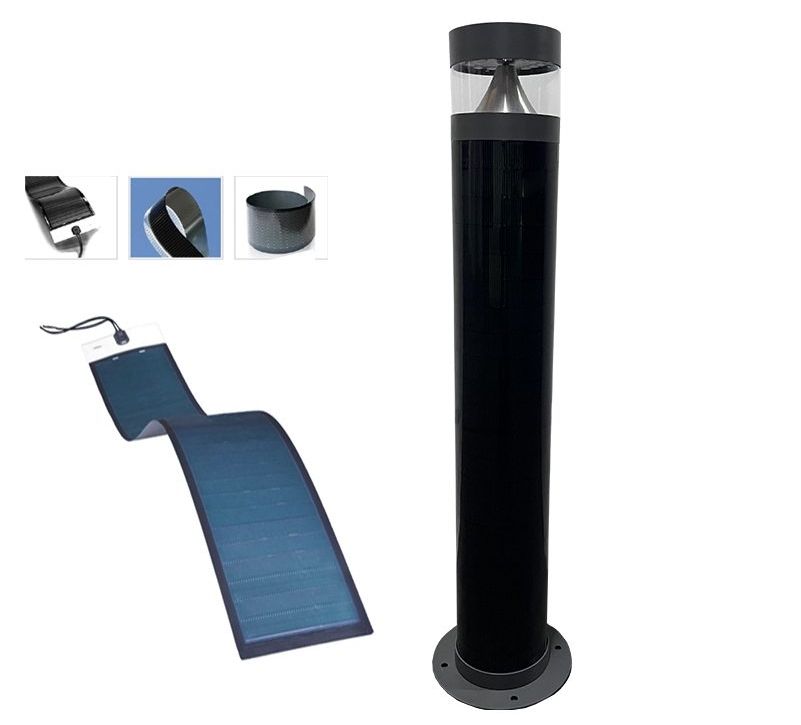
A wrap-pole solar light is an advanced lighting system in which flexible photovoltaic panels are curved around the surface of a light pole — rather than mounted flat on top of it. The solar panel becomes part of the pole itself, creating a sleek, cylindrical energy-harvesting surface that captures sunlight from every direction. This design represents the most significant evolution in solar lighting architecture since the industry moved from HPS bulbs to LEDs.
The term “Wave Solar Wrap-Pole” specifically refers to XM Newlight’s patented system, which uses high-efficiency monocrystalline flexible solar cells embedded in an aluminum mold frame that conforms precisely to the pole geometry — square, hexagonal, octagonal, or cylindrical. The result is a self-powered lighting structure that combines structural integrity with solar energy generation in a single, unified form.
Unlike traditional solar street lights, where a rectangular glass panel is bolted to a bracket above the luminaire — creating a visually disjointed and structurally vulnerable assembly — the wrap-pole design flows from top to bottom as a continuous architectural element. The pole IS the solar panel, and the solar panel IS the pole.
How Do Flexible Solar Panels Work on Lighting Poles?
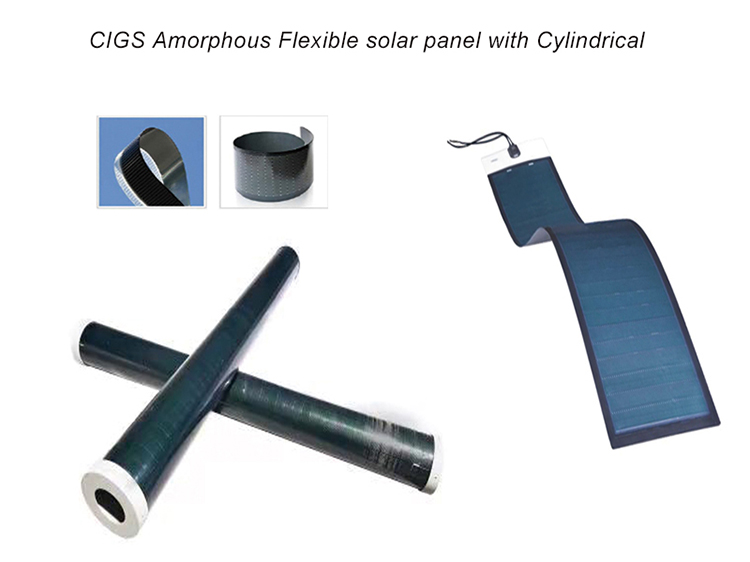
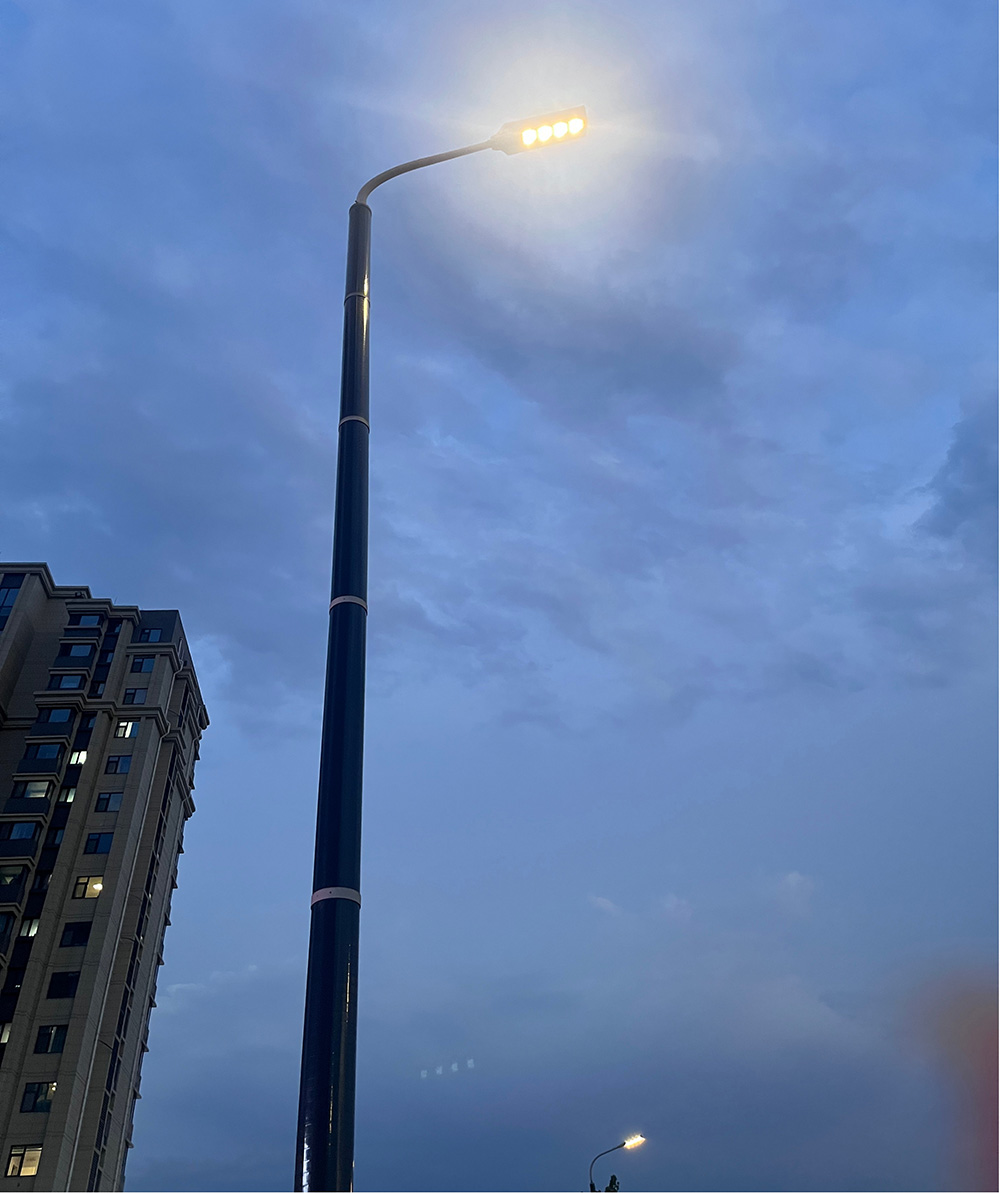
Flexible solar cells are laminated between durable ETFE layers and shaped to match the exact curvature of the pole.
The technology that makes wrap-pole solar lights possible is the flexible solar panel — a thin, lightweight photovoltaic laminate that can bend without breaking. Understanding how these panels work on lighting poles requires examining the materials science and the system architecture.
The Flexible Panel Construction
A flexible solar panel used in wrap-pole lighting consists of five layers:
- Front sheet — ETFE (ethylene tetrafluoroethylene), a fluorine-based polymer that transmits >95% of light, resists UV degradation for 10–15 years, and sheds dust and water naturally.
- Encapsulant — EVA (ethylene vinyl acetate) or POE (polyolefin elastomer) that bonds the cells to the front and back sheets while allowing the assembly to flex.
- Solar cells — Ultra-thin monocrystalline silicon wafers (80–150 micrometers thick) that can bend without cracking, or CIGS thin-film cells deposited directly onto a flexible substrate.
- Backsheet — A weatherproof polymer layer that provides electrical insulation and moisture barrier.
- Aluminum mold frame (in wrap designs) — A custom-formed aluminum frame that holds the flexible panel in the exact curvature of the pole, provides heat dissipation, and ensures structural rigidity.
When sunlight strikes the panel, photons energize electrons in the silicon semiconductor, creating a flow of direct current electricity. The current travels through embedded busbars to a junction box, then to the charge controller and battery inside the pole base.
Why the Curved Shape Improves Energy Collection
The curved shape of a wrap-pole panel changes how light interacts with the photovoltaic surface in three fundamental ways:
- Extended exposure window — A flat panel receives optimal sunlight for only 4–6 hours per day (peak sun hours). A cylindrical wrap panel has some surface area optimally oriented toward the sun from sunrise to sunset — an 8–12 hour collection window.
- Omnidirectional capture — The 360° surface captures morning light from the east, midday light from above, afternoon light from the west, and reflected light from buildings, roads, and vehicles at all times.
- Diffuse light utilization — Curved surfaces capture a higher proportion of diffuse (scattered) light because some portion of the curve always presents a favorable angle to incoming light, regardless of cloud conditions. This is why wrap-pole lights outperform flat panels by an even larger margin on overcast days.
Flexible vs. Rigid Solar Panels: Pros and Cons for Street Lights
The choice between flexible wrap-pole panels and traditional rigid glass panels is one of the most important decisions in solar street light specification. Each technology has distinct strengths and limitations:
Weight and Structural Load
A 100W rigid glass panel weighs 7–8 kg and requires a heavy-duty mounting bracket and a reinforced pole. A flexible wrap panel of equivalent power output weighs 1.5–2.5 kg and integrates directly into the pole structure with no separate bracket. This weight difference cascades through the entire system: lighter poles, smaller foundations, lower shipping costs, and simpler installation.
Wind Performance
Rigid panels act as sails — their flat surface and cantilevered mounting create extreme wind loads. A 1.6 m² rigid panel in 160 km/h winds generates 1,200–1,500 N of lateral force, requiring schedule 40 steel poles and 0.5–1.0 m³ concrete foundations. Flexible wrap panels conform to the pole’s cylindrical profile, reducing the drag coefficient by 60% and allowing schedule 20 poles with 60–70% less concrete.
Durability and Impact Resistance
Rigid panels with tempered glass can shatter from vandalism, hail, or concentrated impacts. Flexible panels with ETFE lamination are unbreakable — they can be struck, dropped, or walked on without damage. For street lights in public spaces, this impact resistance is a significant practical advantage.
Aesthetic Integration
Rigid panels create the distinctive “solar panel on a stick” appearance that many urban designers find objectionable. Flexible wrap panels create a clean pole silhouette that reads as a conventional street light — the solar technology is present but not dominant.
Cost
Rigid glass panels benefit from massive manufacturing scale: $0.10–$0.15 per watt. Flexible panels cost $0.30–$0.60 per watt. However, at the system level, the wrap-pole design eliminates mounting brackets, reduces pole costs, simplifies installation labor, and lowers shipping volume — narrowing the total system cost difference to 10–25%, which is typically recovered within 1–2 years through reduced maintenance and higher energy generation.
Summary Comparison
| Parameter | Rigid Glass Panel | Flexible Wrap Panel |
|---|---|---|
| Weight (100W eq.) | 7–8 kg + bracket | 1.5–2.5 kg (integrated) |
| Wind drag coefficient | 2.0–2.2 (flat plate) | 0.7–0.9 (cylinder) |
| Impact resistance | Can shatter | Unbreakable |
| Daily generation window | 4–6 peak hours | 8–12 hours |
| Annual energy yield | Baseline | 15–30% higher |
| Visual profile | Dominant | Seamless |
| Panel cost/Watt | $0.10–0.15 | $0.30–0.60 |
| System cost premium | Baseline | 10–25% higher |
| Maintenance interval | 1–3 months | 6–12 months |
Commercial and Environmental Benefits for Municipal Projects
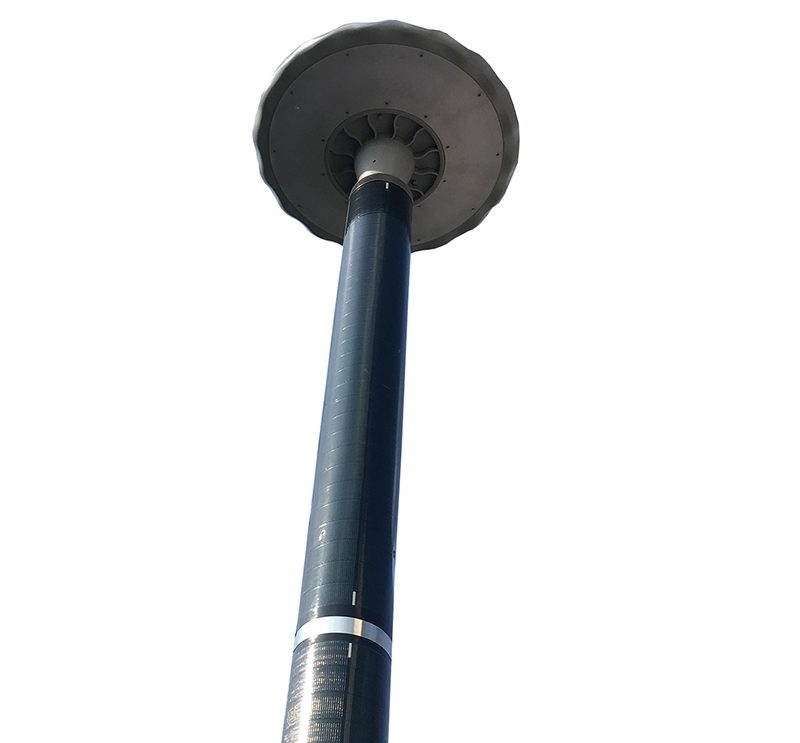
Municipalities evaluating solar street lighting must balance first costs, operational budgets, environmental commitments, and public acceptance. Wrap-pole solar lights deliver across every dimension.
Financial Benefits
- Zero electricity costs — After installation, the lighting is fully powered by free solar energy. For a city managing 10,000 street lights, this translates to $300,000–$800,000 in annual electricity savings.
- Reduced installation cost — No trenching, conduits, wiring, grid connection fees, or licensed electricians required. Installation is 60–80% faster than grid-connected alternatives.
- Lower maintenance expenditure — The self-cleaning vertical panel surface reduces cleaning frequency by 60–75%. Fewer moving parts (no wiring, no grid connection) means fewer failure points.
- Grant and incentive eligibility — Many governments offer grants, tax incentives, or carbon credits for municipal solar installations, improving project economics by 15–35%.
- ROI timeline — Most municipal wrap-pole projects achieve full return on investment within 2–3 years through eliminated electricity costs and reduced maintenance.
Environmental Benefits
- Carbon reduction — Each 100W solar street light eliminates approximately 500 kg of CO₂ emissions annually compared to a grid-powered equivalent. A 10,000-light municipal installation eliminates 5,000 metric tons of CO₂ per year — equivalent to removing 1,100 cars from the road.
- Grid independence — Solar street lights function during grid outages, providing resilience for critical infrastructure, emergency routes, and public safety during extreme weather events.
- Dark-sky compliance — Modern LED solar lights can be specified with warm CCT (2,700–3,000K), zero uplight, and dimming schedules that meet International Dark-Sky Association (IDA) criteria — reducing light pollution in urban and suburban areas.
- Lifecycle sustainability — The aluminum pole and panel frame are fully recyclable. LiFePO₄ batteries contain no toxic heavy metals and are recyclable through certified battery recycling programs.
Community and Public Acceptance
Municipal projects benefit from higher public acceptance when the lighting infrastructure is aesthetically integrated rather than visually intrusive. Wrap-pole solar lights, with their clean, conventional appearance and discreet solar technology, generate fewer objections from residents, preservation boards, and design review committees than traditional flat-panel solar lights. Several European cities have reported that wrap-pole designs received planning approval in heritage districts where flat-panel solar lights were consistently rejected.
Critical Technical KPIs to Look for in Best Solar Lighting
When specifying or purchasing wrap-pole solar lights, the following Key Performance Indicators (KPIs) separate premium systems from budget alternatives:
Solar Panel Efficiency
Look for monocrystalline PERC cells with ≥22% conversion efficiency. Efficiency determines how much power the panel can generate from the available pole surface area — higher efficiency means more energy for a given pole diameter. Avoid polycrystalline panels (<18%) for commercial wrap-pole applications.
Battery Chemistry and Capacity
LiFePO₄ (lithium iron phosphate) is the only battery chemistry recommended for commercial solar street lights. It offers 2,000–5,000 charge cycles (5–8 years at daily cycling) versus 500–1,000 cycles for standard lithium-ion. Battery capacity should provide at least 3 days of autonomy (runtime without sun) for reliable year-round operation. For a 100W street light, this requires minimum 400–600 Wh of usable battery capacity.
LED Efficiency and Lifespan
Premium LEDs deliver 150–180 lumens per watt. The LED module should carry an LM-80 test report confirming ≥50,000 hours L70 rated life (time to 70% of initial lumen output). Look for a CRI (Color Rendering Index) of ≥70 for standard street lighting and ≥80 for pedestrian zones.
Charge Controller Type
MPPT (Maximum Power Point Tracking) controllers extract 20–30% more energy from the solar panel than PWM controllers, especially in low-light and variable conditions. MPPT is non-negotiable for wrap-pole solar lights where maximizing energy from the available pole surface is critical.
Weather Protection
- IP rating: IP65 minimum; IP66 recommended for commercial installations, particularly in coastal or dust-prone environments.
- IK rating (impact resistance): IK10 (20 joule impact resistance) for vandal-prone public installations.
- Wind load certification: A certified wind load test report confirming survival wind speed (160+ km/h minimum for standard installations).
Step-by-Step Installation and Lower Maintenance Realities
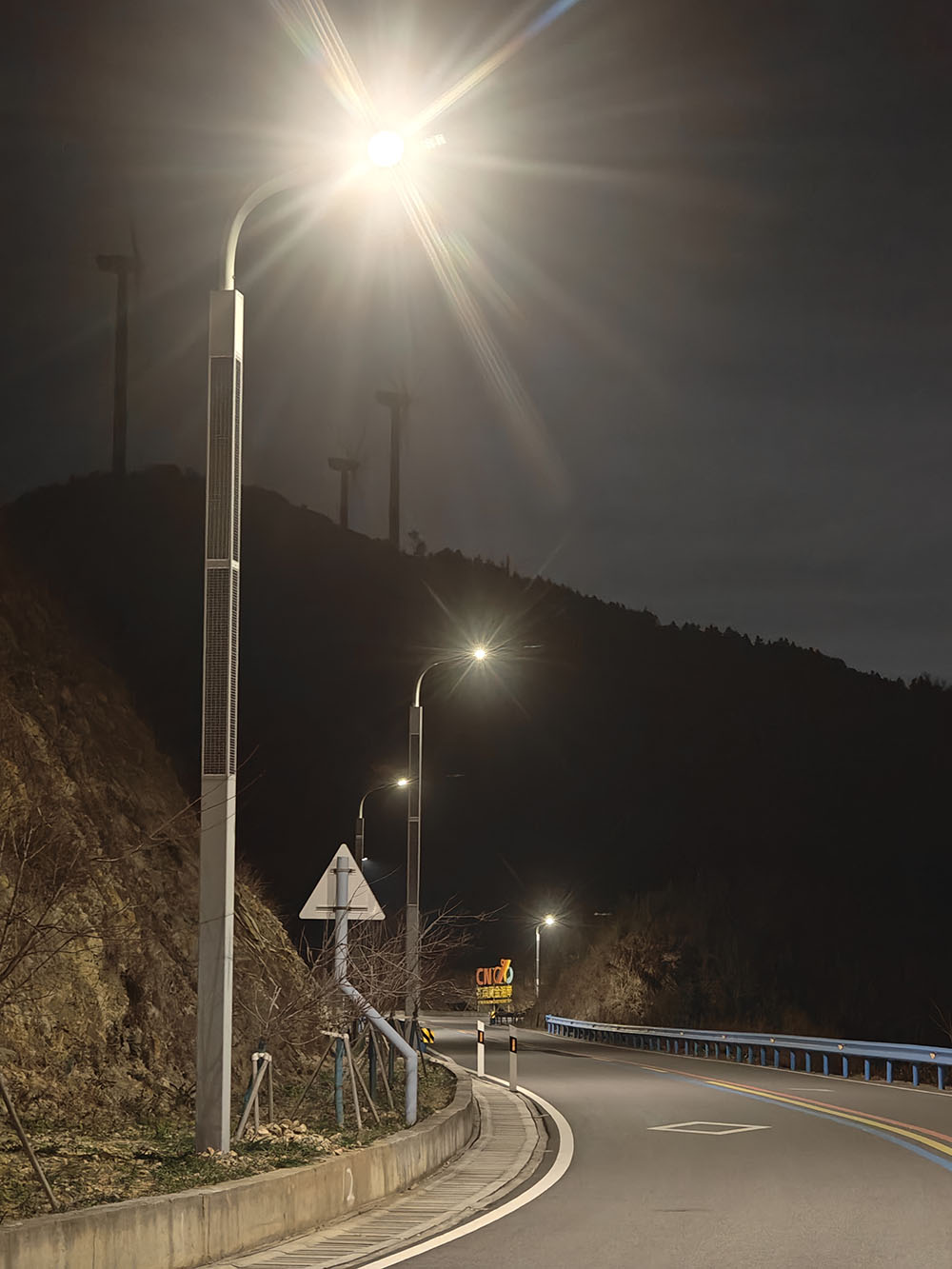
One of the most compelling advantages of wrap-pole solar lights is the simplicity of installation and the minimal maintenance they require throughout their operational life.
Installation Process — Six Steps
Site Assessment
Evaluate the installation location for sunlight availability (minimum 4 hours of direct sun during the shortest month of the year), soil conditions for foundation requirements, and mounting surface suitability.
Foundation Preparation
Prepare the pole foundation. For wrap-pole lights, the foundation requirement is 60–70% smaller than for flat-panel lights due to the reduced wind load. A typical 6 m pole requires a 0.15–0.25 m³ concrete footing rather than the 0.5–1.0 m³ required for an equivalent flat-panel system.
Pole Assembly
Assemble the pole sections if multi-piece. The pre-integrated solar panel wiring is already factory-connected. No on-site panel mounting or wiring is required — this is the single biggest time saving compared to traditional solar lights.
Pole Erection
Lift the pole into the foundation and secure it. The total weight of a complete 6 m wrap-pole light (pole + integrated panel + battery + luminaire) is typically 25–40 kg — light enough for two-person installation without a crane.
Battery Connection
Connect the pre-installed battery pack. Most wrap-pole systems use plug-and-play connectors that cannot be mis-wired. Close and seal the battery compartment.
Commissioning
Turn on the system. The dusk-to-dawn photocell and MPPT controller self-calibrate. Verify operation: the light should turn on automatically at dusk and turn off at dawn. Total installation time: 30–60 minutes per pole for a two-person crew — 3–5 times faster than flat-panel solar lights and 10–20 times faster than grid-connected alternatives.
Maintenance Schedule
Wrap-pole solar lights require minimal but consistent maintenance:
- Quarterly: Visual inspection — verify that the panel surface is clean (rain typically suffices in most climates). In dry or dusty climates, rinse with a garden hose.
- Annually: Inspect battery connections, check gasket integrity, verify light output remains at expected levels.
- Every 5–8 years: Replace the LiFePO₄ battery pack. This is the only major maintenance event in the system’s design life.
- Every 10–15 years: Replace the LED module if output has degraded below 70% of initial lumens (depends on LED quality and operating conditions).
Total estimated annual maintenance cost: $15–$25 per pole — approximately 80% lower than grid-connected street lights with monthly electricity costs, lamp replacements, and wiring inspections.
Frequently Asked Questions
Can wrap-pole solar street lights withstand strong winds?
Yes. The curved wrap-pole design reduces wind resistance by allowing airflow to pass smoothly around the cylinder, significantly improving stability in hurricane-prone areas compared to flat-panel lights. The drag coefficient of a cylinder (~0.8) is approximately 60% lower than that of a flat plate (~2.0), meaning wrap-pole lights experience substantially lower wind loading. XM Newlight systems are structurally certified for wind loads up to 200 km/h depending on pole height and foundation specifications.
Are vertical wrap-pole solar panels efficient?
Yes. The 360° cylindrical surface captures sunlight throughout the day, including direct, reflected, and ambient light, enabling more consistent energy harvesting than single-direction flat panels. Field testing shows wrap-pole panels generate 15–30% more total daily energy than equivalently-rated flat panels, with the advantage increasing in cloudy conditions, urban environments, and high-latitude locations where the sun stays low in the sky.
What is the lifespan of wrap-pole solar street lights?
The complete system is designed for 20–25 years of service life. The flexible solar panels maintain >80% of rated power output for 20+ years with ETFE lamination. The LiFePO₄ battery requires replacement every 8–10 years (the only major lifecycle maintenance event). The LED module provides 50,000–100,000 hours of operation (12–24 years at 12 hours/night). The aluminum pole and frame are corrosion-resistant and designed for the full 25-year system life.
Do they require frequent cleaning?
No. The vertical curved surface naturally sheds dust and rainwater, reducing maintenance needs compared to traditional flat solar panels. In most climates, natural rainfall alone maintains the panel at >95% of clean efficiency year-round. In dry or dusty environments, a quarterly rinse with a garden hose is sufficient. This compares to monthly or bi-monthly cleaning required for flat panels in equivalent conditions.
Are solar street lights cost-effective compared to grid lighting?
Yes. Although the upfront cost is higher, wrap-pole solar lights eliminate wiring, trenching, grid connection fees, and monthly electricity bills. A typical municipal installation achieves full return on investment within 2–3 years. Over a 10-year lifecycle, total cost of ownership is 40–60% lower than grid-connected alternatives. For off-grid locations where trenching costs are prohibitive, the payback is immediate.
Can they work in cloudy or snowy conditions?
Yes. High-efficiency monocrystalline cells still generate power under low-light conditions — approximately 10–25% of rated output under heavy overcast. The 360° wrap design captures diffuse light more effectively than flat panels, providing an additional advantage in cloudy climates. The vertical surface prevents snow accumulation — snow either slides off or is carried away by wind, unlike flat panels that require manual snow removal.
Are they suitable for smart city systems?
Yes. The pole structure supports integration of IoT devices such as motion sensors, CCTV cameras, smart dimming controllers, wireless communication modules, environmental monitoring sensors, and electric vehicle charging points. The extended 8–12 hour daily charging window of the wrap-pole design generates surplus energy to power these IoT devices continuously — a capability that flat-panel systems with shorter charging windows cannot reliably support.
The Wrap-Pole Revolution in Solar Lighting
The wrap-pole solar light represents a fundamental rethinking of how photovoltaic technology integrates with the built environment. By eliminating the distinction between “pole” and “solar panel,” this design achieves three objectives that traditional solar lighting could never simultaneously satisfy: higher energy generation through 360° capture, superior structural performance through aerodynamic cylindrical geometry, and aesthetic integration that makes solar lighting acceptable in the most design-sensitive contexts.
For municipal lighting engineers, the wrap-pole system reduces total cost of ownership by 40–60% over grid-connected alternatives while eliminating electricity costs and reducing maintenance labor. For urban designers and architects, it provides a solar lighting solution that complements rather than compromises streetscape quality. For procurement officers, its verified certifications, standardized components, and manufacturer warranty reduce procurement risk.
At XM Newlight Energy, our Wave Solar Light and Solar Wrap series have been deployed in thousands of projects across 50+ countries, proving the reliability and performance of flexible curved solar panel technology in every climate and application. As the technology continues to mature — with higher-efficiency flexible cells, longer-lasting solid-state batteries, and deeper IoT integration — the wrap-pole solar light is positioned to become the default specification for municipal and commercial outdoor lighting worldwide.
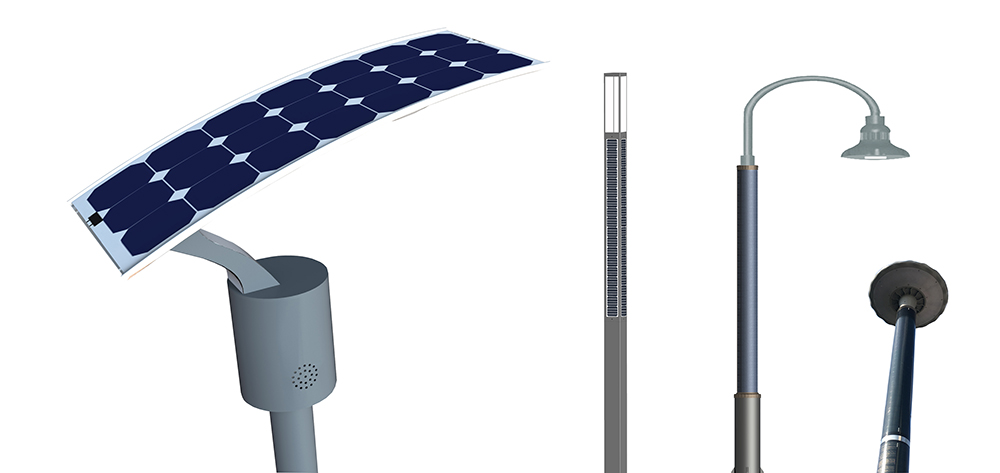
Visit us at www.xmnewlight.com to explore our complete range of Wave Solar Light and Solar Wrap systems.
Email: sales@xmnewlight.com for project inquiries, custom specifications, and OEM/ODM partnerships.


