


News
What Are Flexible Solar Panels Used For?
News | Jan 16,2026
What Makes Solar Panels “Flexible”?
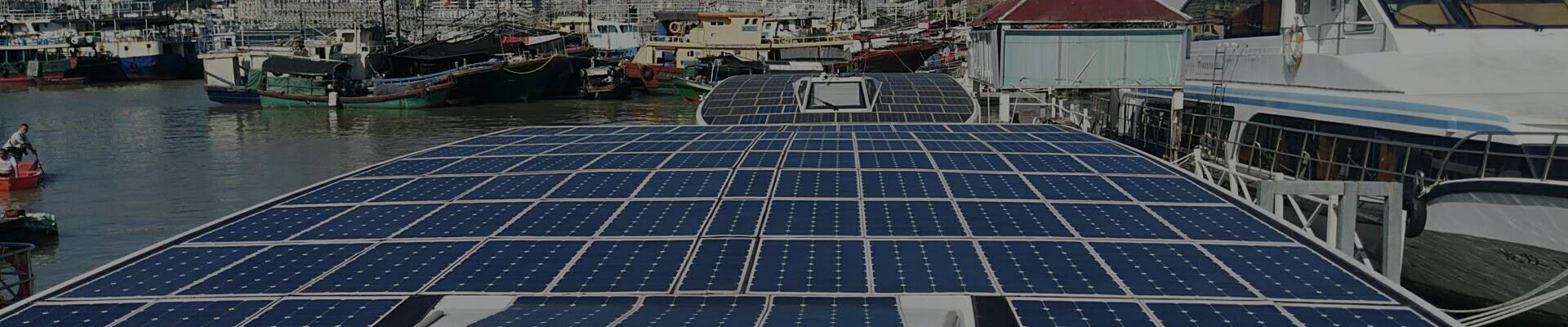
Solar panels are considered “flexible” primarily because they use significantly thinner materials and swap rigid protective glass for pliable polymerslike ETFE(ethylene tetrafluoroethylene). These panels are widely used for curved surfaces like RV roofs, boat decks, solar marine, and lightweight roof for industrial and commercial areas.

Key Advantages of Flexible Solar Panels
Flexible solar panels are highly valued for their ability to provide power in scenarios where traditional rigid panels are structurally or practically unfeasible. Their primary advantages lie in their physical versatility and simplified installation.
1) Extreme Portability and Low Weight
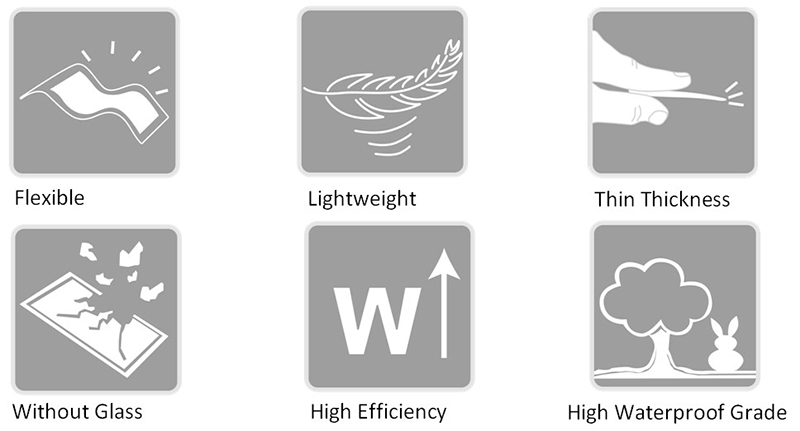
Ultra-Lightweight: Flexible panels typically weigh between 4 and 8 lbs, making them 70–80% lighter than traditional rigid panels, which can exceed 40 lbs.
Ease of Transport: Their thin profile (often 2–4mm) and ability to be rolled or folded allow for easy transportation in small vehicles or even strapped to backpacks.
2) High Installation Versatility
Curved Surface Compatibility: They can conform to surfaces with curves up to 248–360 degrees, making them the standard choice for RV overhangs, boat hulls, and unique architectural structures like domes.
Aesthetic Integration: Because they lie flush against a surface, they maintain the original silhouette of a vehicle or building, avoiding the “bulky” industrial look of frame-mounted rigid panels.
3) Simplified, DIY-Friendly Setup
NoDrilling Required: Most models can be installed using industrial adhesives, magnets, or heavy-duty tapes, which prevents damaging surfaces like RV roofs or boat decks with screw holes.
Reduced Labour Costs: Their lightweight design often eliminates the need for expensive racking systems or professional installation teams, making them a popular choice for DIY off-grid enthusiasts.
4) Advanced Performance in Specific Conditions
Superior Shade Tolerance: Certain flexible technologies, such as CIGS (Copper Indium Gallium Selenide), demonstrate better performance in partially shaded conditions compared to standard rigid panels.
Better High-Heat Tolerance: While some flexible panels can struggle with heat dissipation if mounted flat, advanced thin-film models often have a lower temperature coefficient, allowing them to maintain efficiency better in extreme desert or tropical heat than rigid silicon panels.
5) Durability and Resilience
Impact Resistance: Lacking fragile glass components, these panels are often more resilient against impacts from hail, falling debris, or minor punctures.
Walkability: Some high-end marine-grade flexible panels are designed to be safely walked on when properly supported, which is essential for installation on boat decks.
Common Uses for Flexible Solar Panels

Flexible solar panels are used for portable power in camping/RVs, on vehicles/boats for curved surfaces, for lightweight applications like drones or backpacks, and on buildings with non-flat roofs (like warehouses or older homes) where rigid panels are impractical, powering devices, charging batteries, and providing off-grid energy in remote areas
Mobile & Portable Applications:
- RVs & Campers: Conform to curved roofs, power onboard systems without heavy mounting.
- Boating: Charge batteries for navigation and lights on yachts, boats, and other marine vessels.
- Camping & Hiking: Attach to tents or backpacks to charge phones, GPS, and other electronics.
- Vehicles: Integrated into cars, trucks, and trailers for auxiliary power, like cooling units.
- Drones & Backpacks: Provide lightweight, continuous power for extended flights or personal devices.
Buildings & Structures
- Curved/Irregular Roofs: Ideal for industrial buildings, warehouses, or older homes with roofs that can’t support heavy panels.
- Awnings & Tents: Easily installed on temporary or flexible shelters.
- Unique Architectural Features: Fit into unique designs where rigid panels are impossible
Remote & Emergency Power
- Off-Grid Power: Provide power in remote locations or for off-grid living.
- Emergency Services: Easily deployed for backup power during outages or disaster relief
Other Applications
- Wearable Tech: Integrated into clothing for personal power.
- Space Missions: Used for powering satellites and landers.
How Flexible Solar Panels Are Installed

Installing flexible solar panels involves surface prep, securing with strong adhesives (like VHB tape) or grommets/ties, ensuring ventilation, and proper wiring to a charge controller, leveraging their lightweight nature for curved surfaces without heavy mounting hardware like traditional panels.
Key steps include cleaning the surface, using appropriate tape or fasteners, allowing airflow underneath, and connecting wiring safely, often on RVs, boats, or vehicles where weight and conformability matter
Installation Methods
- Adhesive/Stick-On: Use industrial-grade VHB (Very High Bond) tape or specialized adhesives for a strong, often drill-free bond to surfaces like vehicle roofs.
- Screw/Grommet Fixing: Panels can be secured using grommets and bolts or screws, especially with added mounting strips for support.
- Tying Method: For some applications, panels can be tied down to a structure.
Step-by-Step Process
1)Prepare the Surface: Clean the mounting area thoroughly with alcohol or solvent to remove all dust and grease for optimal adhesion, marking placement first.
2)Plan Wiring: Determine cable runs and ensure they are protected, leaving space around the junction box.
3)Mount Panel: Apply VHB tape (often in strips between cell rows) or adhesive to the panel’s back and carefully press it onto the clean surface, avoiding heavy pressure on cells.
4)Allow Ventilation: Mount panels on support strips (like twin-wall polycarbonate) to create an air gap underneath, preventing overheating and sagging;
5)Connect Wiring: Securely connect to a charge controller, matching polarity and ensuring waterproof connections.
6)Test System: Verify voltage and current output after installation
Check this video for reference:
Choosing the Right Flexible Solar Panel
To choose the right flexible solar panel, first calculate your power needs (wattage), then match it with a panel’s efficiency, considering its bending radius and size for your surface, ensuring it has durable materials (like ETFE) and a good warranty, and checking its installation type (adhesive vs. hardware) to suit your application, whether it’s for RVs, boats, or camping or lightweight roofs etc.
Key Factors to Consider
- Power Output(Wattage): Determine how much energy you need; higher wattage means more power but also higher cost. Match the wattage to your devices and usage.
- Efficiency: Higher efficiency (e.g., 23-25%) means more electricity from a smaller area, as panels convert more sunlight into power.
- Durability& Materials: Look for ETFE lamination for better light transmission and longevity over PET, and check for resistance to weather, dirt, and impacts.
- Flexibility & Bending Radius: Measure your curved surface to ensure the panel’s bend angle (some bend 30°, others more) matches the curvature.
- Size & Weight: Critical for portability; lighter, smaller panels are easier to move and install in smaller spaces.
- Installation Method: Choose panels with pre-applied adhesive (like Velcro or tape) for simple peel-and-stick, or those with grommets/holes for hardware mounting.
- Warranty: A longer warranty (3+ years) indicates manufacturer confidence in product quality and performance.
- Compatibility: Ensure the panel works with your existing charge controller, batteries, and inverter.
Conclusion
Flexible solar panels excel in situations demanding portability, low weight, and adaptability to non-flat surfaces, bringing clean energy to mobile lifestyles and challenging locations. The advantages make them a versatile choice for expanding solar’s reach beyond traditional rooftops.
Contact our team ➪at NEWLIGHT ENERGY to discuss customised solar solutions tailored to your specific market requirements.

--- END ---


