

Why Cleaning Solar Panels Matters?
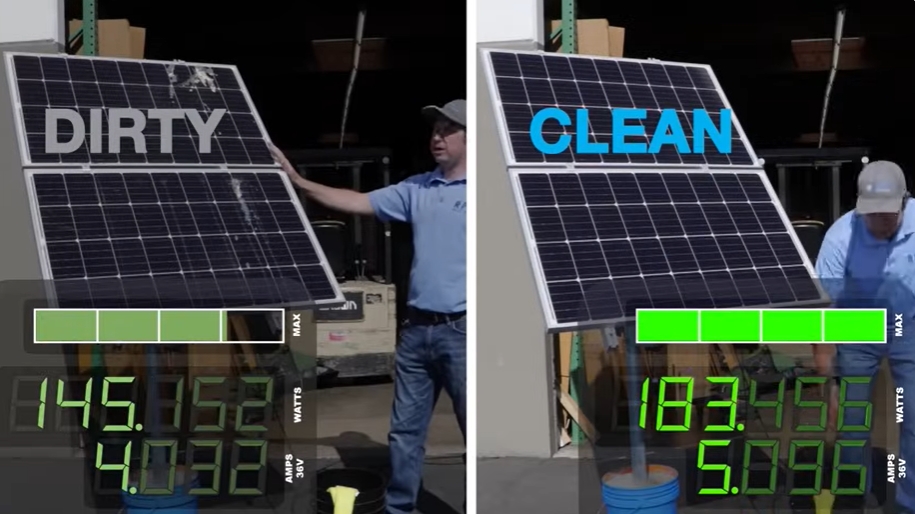
Cleaning solar panels is crucial because dirt, dust, and debris block sunlight, reducing their efficiency and energy output, which can lower power generation by 5-30% or more, leading to less electricity and lower savings; regular cleaning also prevents hotspots and permanent damage, extends the system’s lifespan, and helps maintain warranty compliance, ensuring a better return on investment.
Key Reasons Why Cleaning Matters
Maximizes Energy Production: Dirt acts as a barrier, preventing sunlight from reaching the solar cells, so a clean panel generates significantly more electricity, reducing bills.
Prevents Damage & Hotspots: Accumulated grime can cause uneven heating hotspots on the panel, leading to permanent cell damage, degradation, and reduced lifespan.
Protects Your Investment: Regular cleaning ensures peak performance, maximizing your return on investment and preventing costly future repairs.
Maintains Warranty: Many manufacturers require periodic cleaning as part of their warranty terms; skipping it can void your coverage.
Extends System Lifespan: Reducing stress and physical damage from debris helps your solar system run smoothly for longer.
When Should You Clean Solar Panels?
Clean flexible solar panels at least once or twice a year, but more often (every few months) in dusty, polluted areas, near farms, or under trees. The best time to clean is early morning or late fall when panels are cool, and dirt is loose, monitoring performance for drops in energy production to signal a need for cleaning. Always check the manufacturer’s specific guidelines for your panels.
General Schedule & Triggers
Standard: Aim for once or twice yearly, often in spring (before peak sun) or late fall (after leaves drop).
Frequent Cleaning Needed:
- Dry/Dusty Climates: Heavy dust, sand, or ash buildup.
- Polluted Areas: Near highways, factories, or airports.
- Trees/Birds: Droppings or leaf debris.
- Monitor Performance: A drop in energy output (check your app/portal) indicates cleaning is needed.
Best Time to Clean
- Early Morning: Panels are cool, dew helps loosen dirt, and water won’t evaporate too quickly, preventing streaks.
- Late Fall: After tree shedding and before winter’s harsh weather.
Tools and Materials for Cleaning Solar Panels
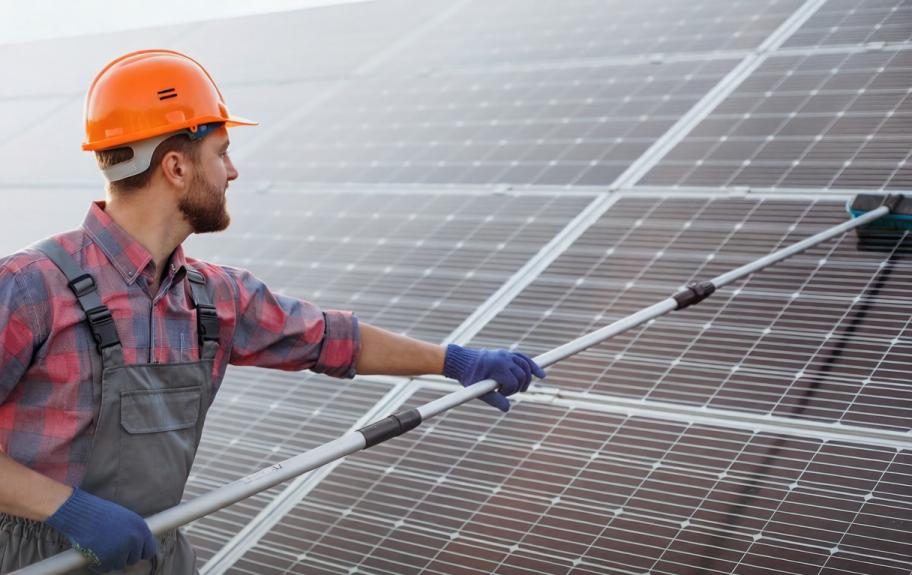
Essential Tools & Equipment
- Telescopic Pole: For safe reach on roofs or ground-mounted panels, reducing ladder use.
- Soft-Bristled Brush/Mop: Must be non-abrasive to prevent micro-scratches on the glass.
- Garden Hose & Spray Nozzle: For rinsing loose dirt and applying water gently.
- Squeegee: A glass-specific squeegee with a soft blade helps remove water for streak-free drying.
- Bucket: For mixing cleaning solutions.
- Microfiber Cloths/Sponges: For wiping and drying.
- Safety Gear: Ladder (if needed) and gloves.
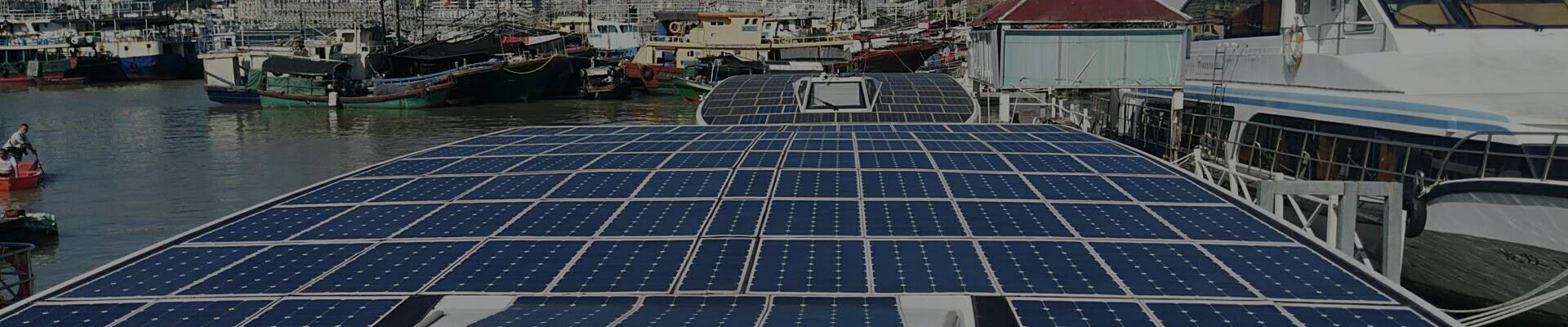
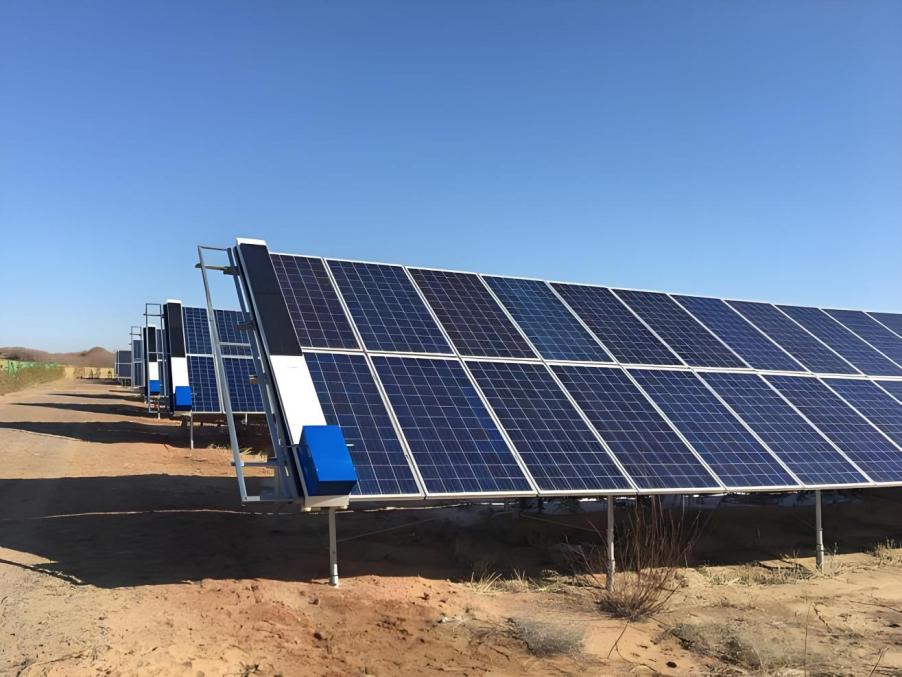
- Big solar power station: use automatically clean machines.
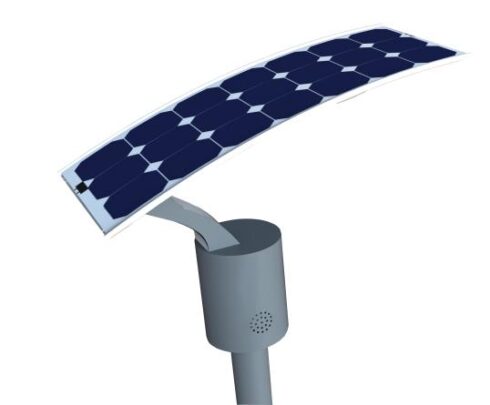
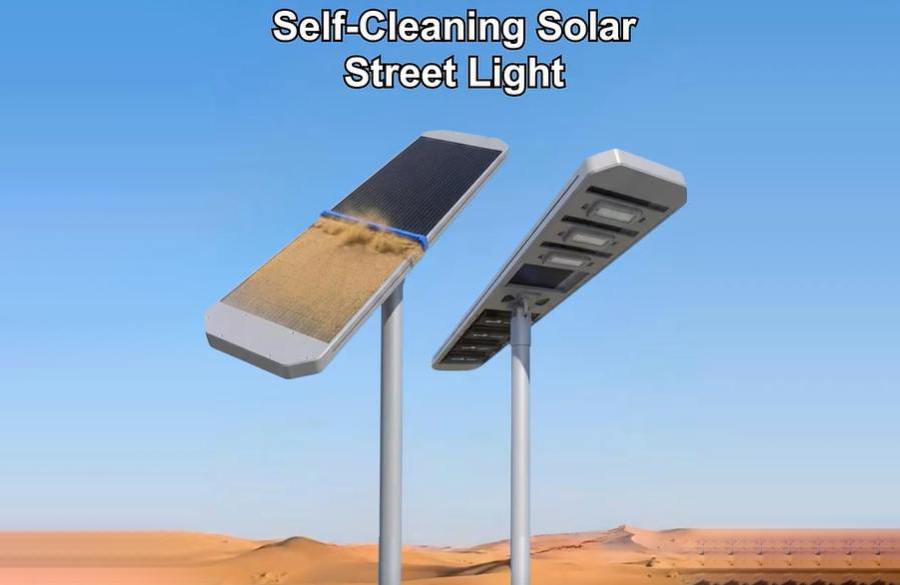
All in one solar light with self-cleaning as below:
Solar street light with an automatically self-cleaning function for solar panels.
Maintenance of Flexible Solar Panels
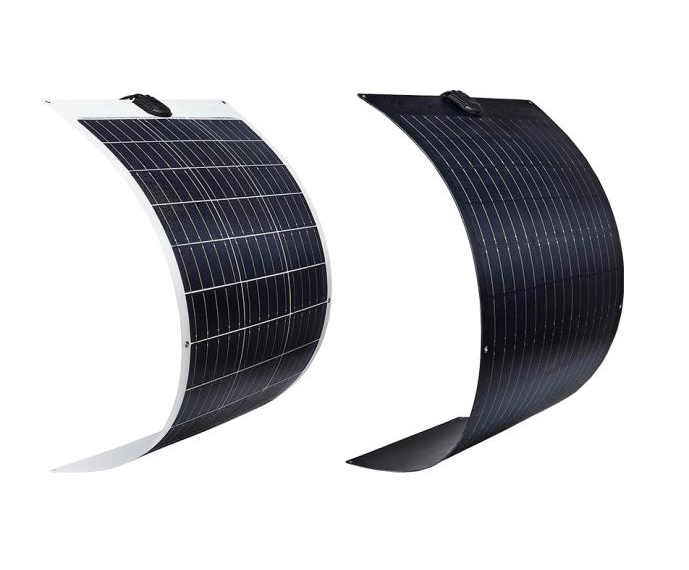
Because of the ETFE front film on the front of the solar panel, the function is easier to clear dusty whiling wind is blowing or rainy dropping.